The End of Blind Editing: Why Real-Time Previews Matter
In the modern digital economy, speed is not just a technical metric; it is a competitive advantage. When a marketing team identifies a conversion bottleneck, the time between making a content change and seeing it live determines the business's agility. Traditional CMS workflows often force editors to work in a 'blind' environment, guessing how a headline or CTA will look until a build process completes. Sanity Visual Editing, combined with Astro and Cloudflare, eliminates this friction.
By implementing a live preview environment, we move from a static publishing model to an autonomous ecosystem where content and presentation are perfectly synchronized. This article explores how to bridge the gap between Sanity Studio and an Astro frontend deployed on Cloudflare, ensuring that your marketing workflow is as fast as your website performance.
Real-time visual feedback reduces content production cycles by up to 60%, allowing teams to focus on growth rather than technical deployment hurdles.
Key Takeaways for Business Leaders
- Instant Feedback: Content creators see changes as they type, removing the need for 'preview builds'.
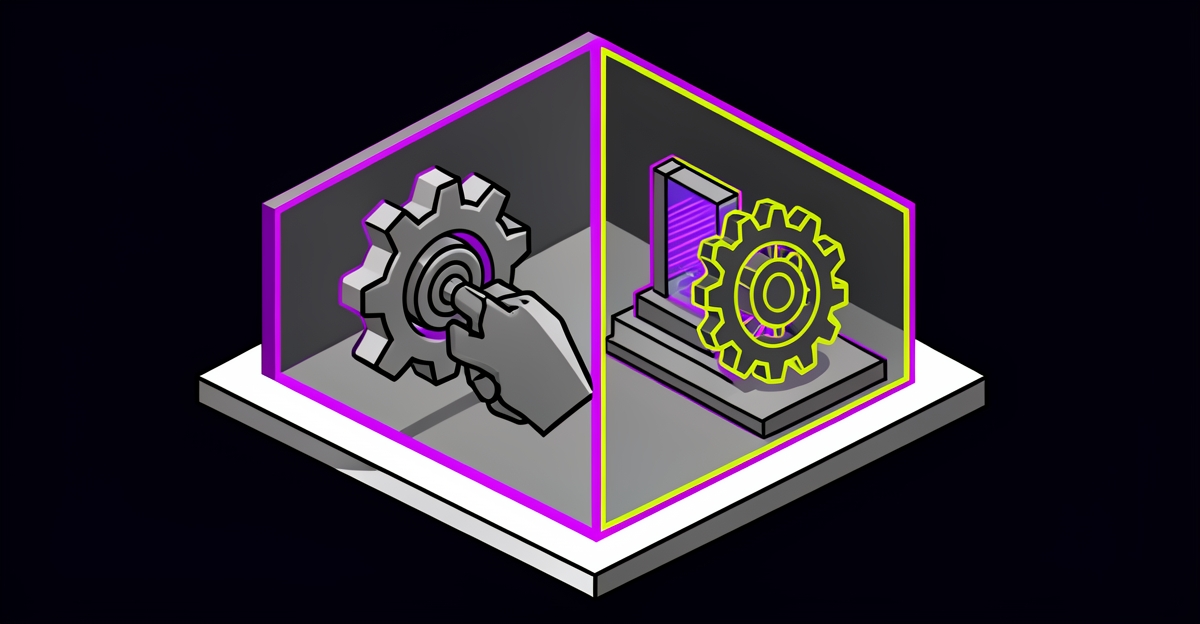
- Click-to-Edit: Using Stega encoding, editors can click any element on the website to jump directly to its edit field in Sanity.
- Global Performance: Leveraging dynamic Cloudflare Workers logic ensures that previews are fast regardless of the editor's location.
- Developer Autonomy: Developers spend less time on manual content updates and more time on core feature engineering.
- Scalable Architecture: The Astro-Sanity-Cloudflare stack scales without egress fees or performance degradation.
The Architecture: How Sanity Visual Editing Works
To understand the power of this setup, we must look at the underlying architecture. Sanity Visual Editing is not just a simple iframe. It is a sophisticated system comprised of several layers: Content Source Maps, Stega Encoding, and the Presentation Tool.
The core innovation here is Stega Encoding. When Astro fetches data from Sanity's Content Lake in 'Draft Mode', Sanity embeds invisible metadata—essentially digital fingerprints—directly into the strings of content. This metadata tells the browser exactly which document and field a specific piece of text belongs to. When the editor hovers over a headline in the preview, the Visual Editing overlay reads this metadata and provides a direct link back to the CMS.
Implementing Astro SSR for Draft Mode
For visual editing to work, your site must support Server-Side Rendering (SSR). While Astro is famous for its static generation, its hybrid capability allows us to toggle between static content for users and dynamic content for editors. For a deep dive into setting up this environment, see our comprehensive Astro Cloudflare guide.
When an editor enters the Sanity Presentation Tool, the website is loaded with a secure 'preview' cookie. This cookie instructs the Astro server to:
- Bypass the static cache.
- Fetch data from the Sanity 'drafts' perspective.
- Enable Stega encoding for click-to-edit overlays.
- Render the page in real-time using Cloudflare Workers.
Cloudflare Workers: The Engine of Edge Previews
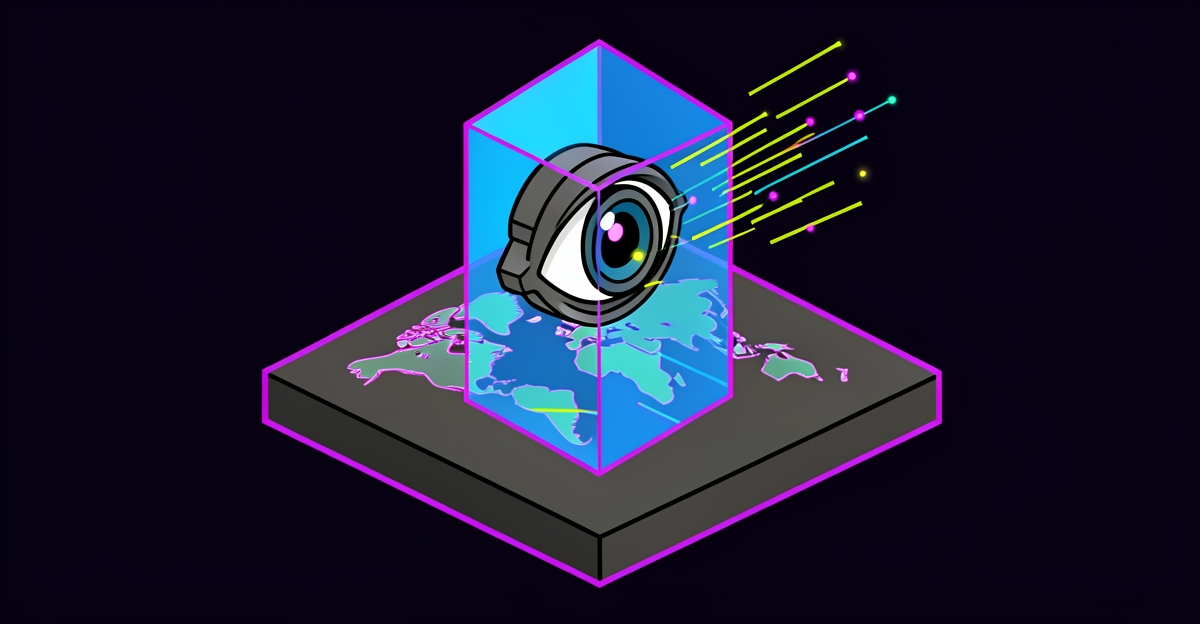
Deploying this stack on Cloudflare is a strategic choice. Traditional preview environments often suffer from high latency because they rely on centralized servers. By using Cloudflare Workers, we execute the preview logic at the edge, mere milliseconds away from the user. This is critical for Sanity Visual Editing because any lag in the 'live' preview breaks the illusion of instant gratification and slows down the editor.
Furthermore, Cloudflare’s security layers allow us to protect the preview environment. We can ensure that only authenticated Sanity users can access the Draft Mode, preventing unauthorized users from seeing work-in-progress content. This security is invisible to the user but vital for maintaining brand integrity during major product launches.
The Impact on Marketing Psychology
Performance isn't just about SEO; it's about the psychological state of the user and the creator. A fast, responsive interface builds trust. When content teams can experiment with layouts in real-time, they are more likely to perform A/B tests and optimize for conversion. We discuss this further in our article on high-speed website psychology. If the tool feels slow, the marketing team will use it less, leading to stagnant content and lost revenue.
FAQ: Mastering the Sanity-Astro Stack
How does Stega encoding affect frontend performance?
Stega encoding is only active in Draft Mode. For your production users, the invisible metadata is stripped out, ensuring that the final payload is lean and fast. There is zero performance penalty for your actual customers.
Can we use Visual Editing with Astro's Static Site Generation (SSG)?
Yes, but only by using a hybrid approach. Your production site remains static (SSG) for maximum speed, while the preview route is configured for SSR. This gives you the best of both worlds: unbeatable speed for users and real-time editing for your team.
Does Sanity Visual Editing require a specific plan?
While the core features are available across plans, advanced features like the Presentation Tool are designed for professional and enterprise workflows where team collaboration is high. It is an investment in operational efficiency.
Is this setup compatible with Tailwind CSS?
Absolutely. The Visual Editing overlays sit on top of your existing CSS. Whether you use Tailwind, Vanilla CSS, or any other framework, the click-to-edit functionality remains consistent as it targets the DOM elements rendered by Astro.
What happens if the Sanity Content Lake is down?
Because Astro generates static versions of your pages for the live site, your public-facing website will continue to work perfectly. The preview mode only requires a live connection to the Content Lake during the editing session.
Conclusion: Building for Growth
Implementing Sanity Visual Editing with Astro on Cloudflare is more than a technical upgrade; it is a strategic business decision. It empowers your marketing team to move at the speed of thought, ensures your technical stack is future-proof, and maintains the high-performance standards required to win in today's digital landscape. At 43Labs, we don't just build websites; we build autonomous digital ecosystems that are visible to humans and optimized for machines. Stop worrying about tech and start growing your business.